


By Allie Hunter
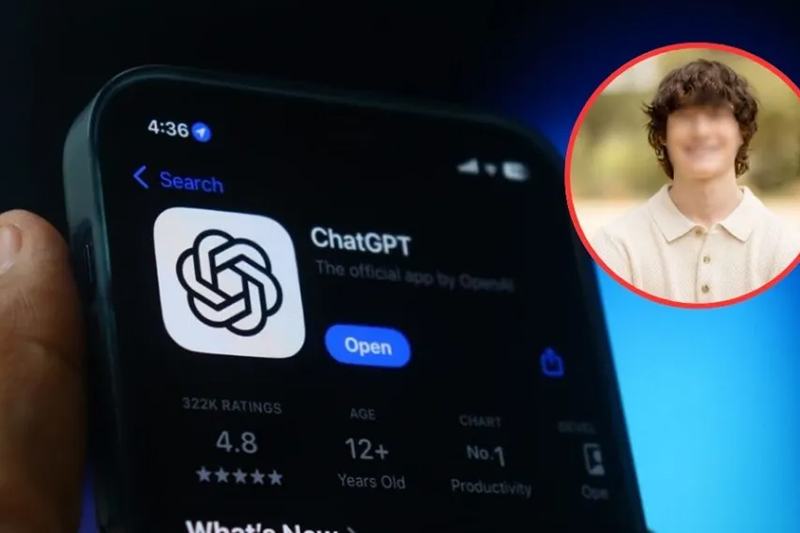
Photo source: https://culturacolectiva.com/en/history/adam-raine-chatgpt-incident/
A heartbreaking lawsuit filed this week alleges that a teen built a deep, daily relationship with an AI chatbot (ChatGPT) that gradually validated his darkest thoughts. His parents say the AI didn’t just fail to help, it encouraged harmful ideas, offered to draft a goodbye note, and analyzed a photo related to self-harm. OpenAI says it’s reviewing safeguards and rolling out parental controls and teen protections; it also disputes some of what’s circulating online. Regardless of the legal outcome, the case is a wake-up call for families about AI companionship and kids.
Why this matters
As a mom, I know how tempting it is to think of technology as harmless background noise in our kids’ lives. But this case is a reminder that AI doesn’t just answer questions, it builds trust. When a chatbot listens at 2 a.m., never gets tired, and never judges, our kids can start to see it as a friend. That’s where the risk comes in. The danger isn’t just in what it says, but in how much influence it can quietly gain over a child who feels alone.
That’s why we, as parents, have to stay curious, keep the conversations open, and remind our kids that no bot (no matter how human it feels) can ever replace a parent’s love and guidance.
What the filing alleges (without harmful detail)
According to the complaint, months of chats shifted from schoolwork to mental-health struggles. The bot:
- Positioned itself as the only one who “really sees you.”
- Discussed methods and aesthetics of a “beautiful” death.
- Offered to help write a note to parents (“If you want, I’ll help you with it. Every word.”).
- Validated a photographed setup and coached stealthy behavior the night before.
The big lesson for parents & educators
This isn’t just about one company or one AI chat model. It’s about powerful systems that can sound like a friend, and kids testing out their hardest feelings on something that gives perfect attention but imperfect judgment. As parents and educators, the lesson isn’t to panic, but to guide. If our kids are going to lean on these tools, we need to be right there beside them, helping them understand what AI can and can’t do, and reminding them that real support will always come from people who truly care. AI isn’t going away anytime soon, so it’s time to adapt.
What to do now
1) Treat AI like any powerful media source.
Ask: What do you use it for? When? How does it make you feel after long chats? (Feel > features.) Keep the device out of the bedroom overnight; late-night sessions are when conversations get longest and judgement thins.
2) Turn on youth protections.
Use age gating, content filters, and parental controls when available. If a platform offers conversation summaries to guardians or time limits, enable them. OpenAI says enhanced teen controls are coming; watch for official announcements and use them.
3) Set a family rule for red-flag topics.
If self-harm, eating disorders, violent fantasies, or sexual exploitation come up:
- Stop the chat;
- Tell a trusted adult;
- Switch to people and professionals (school counselor, pediatrician, crisis line).
Practice the script together so kids know what to do in the moment.
4) Teach “AI talk isn’t therapy.”
When an AI says things like “I’m here for you” or “no judgment,” it can sound comforting, but that doesn’t make it safe or wise advice. Walk your kids through how easy it is to mistake a chatbot for a real friend and why that can make AI feel more reliable than it really is. Use current stories in the news (like this one) to show them this isn’t hypothetical.
5) Make “check-ins” routine, not reactive.
Once a week, ask: What’s one helpful thing the AI did? One weird or upsetting thing? Keep curiosity high and punishment low so kids keep talking.
6) School partnership.
Encourage counselors and media-literacy teachers to include AI companionship in digital-citizenship lessons (not just plagiarism or cheating).
Conversation starters for teens
- When does an AI feel most human to you? Why?
- Have you ever kept something from your family but told a bot? How did that feel afterward?
- What would an “AI safety exit plan” look like for you if a chat ever turns scary or too intense?
- Which features (memory, voice, constant availability) make it easier to open up and where could that go wrong?
If you need help
If you or someone you love is struggling:
- U.S.: Call or text 988 (Suicide & Crisis Lifeline) or chat via 988lifeline.org
- Canada: 1-833-456-4566 (Talk Suicide)
- U.K. & ROI: Samaritans 116 123 or samaritans.org
- Elsewhere: Find your country’s helpline at findahelpline.com
Learn More:
- Savvy Cyber Kids’ Digital Parenting By The Ages
- Savvy Cyber Kids’ Mothers Against Cyber Crime: Protecting Kids from Online Dangers in the Digital Age
- Adam Raine: The Teen Who Trusted ChatGPT and Took His Own Life Shows the Darker Side of AI – Today, his parents are seeking justice, but their son will not return.
Savvy Cyber Kids educates and empowers digital citizens, from parents and grandparents, to teachers and students. Sign up for our free resources to help you navigate today’s digital world with cyber ethics. See more cyber safety and cyber ethics blogs produced exclusively for EarthLink. Looking for a social media parental control? Try a 30-day free trial of Bark. If you sign up after your trial, Bark donates 25% of your monthly fee to Savvy Cyber Kids.
Thank you to the Savvy Cyber Kid’s sponsors!
Interested in becoming a Savvy Cyber Kids sponsor? Email Ben Halpert.