


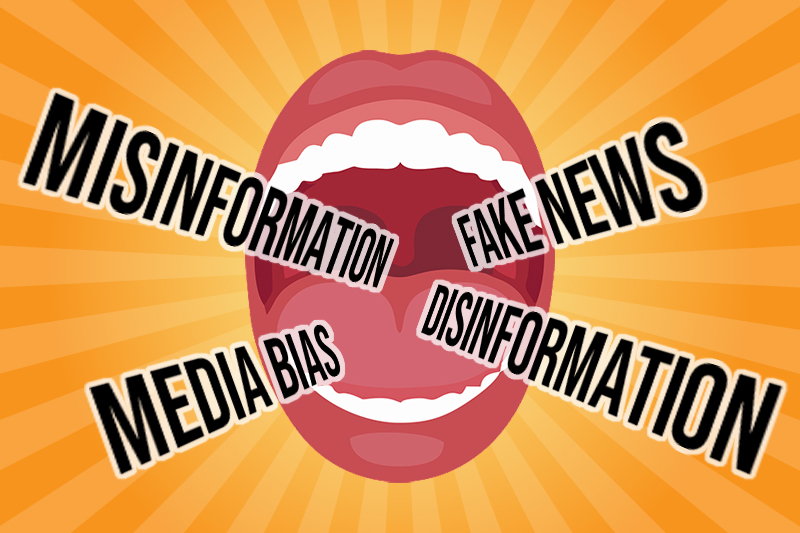
Childhood development experts understand that children develop their central social and political opinions during their formative years. This means that the online worlds our kids play in are having a huge role in our children’s future lives. Like the adage, “you are what you eat,” our children are in danger of becoming mouthpieces for the media they consume.
After all, we know that media is designed to grab our attention and keep us engaged and we also understand that the media we consume can be biased, misreported, or even fake. Our young people must learn to decode the information spread online or they are in danger of:
- Scams: Our kids can fall for scams that lead to data breaches, financial loss and impacts on credit scores.
- Harmful Belief Systems: If our children watch content that spreads hate, this becomes part of their worldview.
- Dangerous Challenges: Our kids are watching videos that promote dangerous challenges or ‘life hacks’ that can cause serious harm.
- Confusion and Distrust: When our children are victimized by disinformation or misinformation, they can struggle with distrust and anxiety.
Savvy Cyber Kids believes that the internet is an amazing tool. It opens the door to opportunities to learn, strengthens social relationships and offers support where it may not be possible in immediate environments. We should not stop young people from using it. Our focus must be on cultivating safe and positive online environments where children can thrive and reap the benefits of the internet.
As kids get older, parents and caregivers must help them become better critical thinkers. Help your child notice inconsistencies in fake content, such as odd phrasings or unnatural visual components. Show them how to cross-check online content with reputable news sources and fact-checking services. Teach your child to ask questions when they come across news coverage from any source:
- Who made this content? What was their motivation for creating it?
- Is the news outlet or content creator trustworthy? Why, or why not?
- Who is the audience for this message?
- Is this news or an ad? How can you tell?
- Who might benefit or be harmed by this message?
Conversation Starters
- Have you ever read or watched news online that shocked or surprised you? Did the opinion you formed change when you learned more?
- Has anyone tried to scam you or your friends out of money online before?
- Have you ever read or saw news that spread mean or unkind messages?
- What kind of online challenges have you or your friends participated in?
- How can you tell if content is fake?
- What are new sites or sources that you trust?
Learn More
- https://news.berkeley.edu/2024/10/10/to-make-children-better-fact-checkers-expose-them-to-more-misinformation-with-oversight/
- https://www.kff.org/health-misinformation-monitor-volume-06/
- https://www.cbsnews.com/video/in-finland-classes-in-recognizing-fake-news-disinformation/
- https://savvycyberkids.org/shop/books-for-adults/
- https://www.theguardian.com/education/article/2024/aug/10/uk-children-to-be-taught-how-to-spot-extremist-content-and-misinformation-online
- https://www.statista.com/statistics/1268671/children-reading-fake-news-online-united-kingdom-uk/
- https://apnews.com/article/uk-southport-stabbing-online-misinformation-1dcd23b803401416ac94ae458e5c9c06
Savvy Cyber Kids educates and empowers digital citizens, from parents and grandparents, to teachers and students. Sign up for our free resources to help you navigate today’s digital world with cyber ethics. See more cyber safety and cyber ethics blogs produced exclusively for EarthLink. Looking for a social media parental control? Try a 30-day free trial of Bark. If you sign up after your trial, Bark donates 25% of your monthly fee to Savvy Cyber Kids.
Thank you to the Savvy Cyber Kid’s sponsors!
Interested in becoming a Savvy Cyber Kids sponsor? Email Ben Halpert.